

The Ultimate Guide to Aluminum Prototype Fabrication
When it comes to developing new products—especially in industries like automotive, aerospace, consumer electronics, or medical devices—rapid and accurate prototyping is critical. Among the various materials available, aluminum prototype fabrication stands out as a preferred choice for engineers and designers. Why? Because aluminum offers a unique balance of strength, weight, machinability, and cost-effectiveness. In this guide, we’ll explore what aluminum prototype fabrication entails, its key advantages, common methods, and tips for getting the best results.
What Is Aluminum Prototype Fabrication?
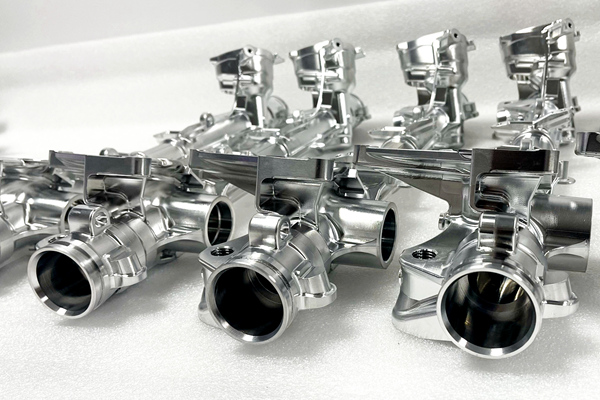
Aluminum prototype fabrication refers to the process of creating physical, functional models or pre-production parts using aluminum as the base material. Unlike plastic or foam prototypes, aluminum prototypes are durable enough to undergo real-world testing—such as thermal stress, mechanical loads, or corrosion resistance. These prototypes are typically produced using subtractive methods (like CNC machining) or additive methods (like 3D printing with aluminum alloys), depending on the complexity and intended use of the part.
Why Choose Aluminum for Prototyping?
Aluminum offers several compelling advantages that make it a go-to material for functional prototypes.
· Lightweight yet strong. Aluminum has an excellent strength-to-weight ratio, which is crucial for applications where mass reduction matters—think drones, automotive brackets, or handheld devices.
· Machinability. Aluminum is soft compared to steel, allowing faster cutting speeds and longer tool life during CNC machining. This reduces both lead time and cost.
· Thermal and electrical conductivity. Aluminum dissipates heat efficiently, making it ideal for heat sinks or electronic housings.
· Corrosion resistance(especially when anodized), ensuring that prototypes can survive harsh testing environments.
· Aesthetics and finish.Aluminum can be polished, brushed, anodized, or painted to closely mimic final production parts.
Key Fabrication Methods for Aluminum Prototypes
Several techniques are commonly used in aluminum prototype fabrication. Each has its strengths and limitations.
CNC Machining
CNC machining is the most popular method. It involves removing material from a solid aluminum block using mills, lathes, or routers. CNC offers high precision (±0.005 inches or better), excellent surface finish, and compatibility with a wide range of aluminum alloys (e.g., 6061, 7075). It is ideal for complex geometries, tight tolerances, and low-to-medium volumes.
Sheet Metal Fabrication
Sheet metal fabrication is used for prototypes that are formed from flat aluminum sheets. Processes include laser cutting, punching, bending, and welding. This method is perfect for enclosures, brackets, and chassis components. It offers fast turnaround and good mechanical properties.
Aluminum 3D Printing (Direct Metal Laser Sintering, or DMLS)
Aluminum 3D printing is gaining traction for highly complex, organic shapes that are impossible to machine. However, it is more expensive than CNC and typically produces a rougher surface finish. Still, for topology-optimized parts, it is invaluable.
Casting (e.g., investment or sand casting)
Alumium casting is suitable for replicating complex shapes at lower per-unit cost once a mold is made, but it is less common for single prototypes due to mold costs and longer lead times.
Best Practices for Successful Aluminum Prototyping
To get the most out of aluminum prototype fabrication, keep these tips in mind:
· Select the right alloy. For general machining, 6061-T6 is the most versatile. For higher strength, choose 7075-T6. For good weldability and corrosion resistance, 5052-H32 is a strong candidate.
· Design for manufacturability (DFM). Avoid unnecessary undercuts, deep narrow cavities, or sharp internal corners. Aluminum allows aggressive cuts, but tool access still matters.
· Consider surface treatments. If your prototype will be handled or exposed to the elements, anodizing (clear or colored) adds hardness and corrosion resistance. For electrical insulation, powder coating works well.
· Balance speed and tolerance. Tighter tolerances increase machining time and cost. Specify ±0.005 inches only where truly needed; for non-critical features, ±0.010 inches is often sufficient.
· Work with an experienced fabricator. Not all shops handle aluminum prototypes well. Look for one with CNC capabilities, quality inspection tools (CMM, optical comparators), and a track record in your industry.
Real-World Applications
Aluminum prototypes are widely used in testing form, fit, and function. For example, an electric vehicle startup might CNC-machine a prototype battery housing from 6061 aluminum to test thermal management and crash safety. A robotics company could laser-cut and bend an aluminum chassis to validate assembly procedures. Even in consumer goods—such as high-end flashlights or laptop stands—aluminum prototypes help designers feel the product’s weight and stiffness before committing to mass production.
Conclusion
Aluminum prototype fabrication bridges the gap between conceptual design and final production. By choosing aluminum, you gain a material that is strong, lightweight, machinable, and realistic for functional testing. Whether you use CNC machining for precision parts, sheet metal fabrication for enclosures, or additive methods for complex geometry, aluminum delivers reliable results. Remember to select the right alloy, apply DFM principles, and partner with a skilled fabricator. With these strategies in place, your prototyping phase will be faster, cheaper, and more informative—paving the way for a successful product launch.


