

Prototype Sheet Metal: Accelerating Product Development from Design to Reality
In the fast-paced world of product development, the gap between a promising design concept and a manufacturable product can make or break a launch timeline. Prototype sheet metal has emerged as a critical enabler in bridging that gap, allowing engineers, designers, and manufacturers to validate form, fit, and function before committing to expensive production tooling. Whether you are developing an automotive bracket, an electronic enclosure, or a medical device chassis, understanding how prototype sheet metal fits into your development workflow can save both time and money.
What Is Prototype Sheet Metal?
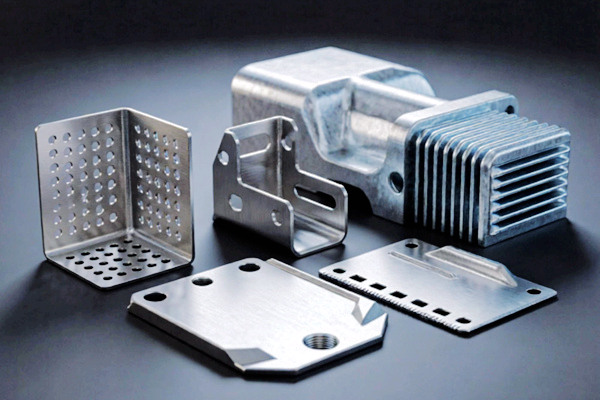
Prototype sheet metal refers to the process of fabricating low-volume metal parts—typically from materials such as aluminum, stainless steel, cold-rolled steel, or copper—using methods that avoid the cost and lead time of hard tooling. Unlike mass production, which relies on stamping dies and automated press lines, prototype sheet metal fabrication leverages flexible techniques including laser cutting, CNC punching, press braking, waterjet cutting, and manual or robotic welding. The goal is not millions of identical parts but a handful of functional, dimensionally accurate components that prove a design works.
Why Prototyping in Sheet Metal Matters
Skipping physical prototypes is a false economy. Digital models and finite element analysis, while powerful, cannot fully capture real-world behavior: how a bend relief performs under load, how tolerances stack up across an assembly, or how a finish holds up in the field. Prototype sheet metal lets teams:
1. Validate design intent early.A physical part reveals interference issues, assembly sequencing problems, and ergonomic concerns that CAD screenshots hide.
2. Test material performance.Different alloys behave differently under forming and welding. Prototyping confirms the right material choice before production volumes lock it in.
3. Reduce tooling risk.Stamping dies can cost tens of thousands of dollars. Prototyping with laser-cut and brake-formed parts verifies geometry first, so production tooling is cut once and cut correctly.
4. Support regulatory and customer approval.Many industries—medical, aerospace, automotive—require physical samples for testing, certification, or design reviews.
Key Processes in Prototype Sheet Metal Fabrication
A typical prototype workflow combines several complementary processes. Laser cutting offers fast, burr-free profiles with tight tolerances and no tooling cost. CNC press braking forms bends with repeatable angles, while skilled operators can adjust for springback on the fly. For complex geometries or thick materials, waterjet cutting avoids heat-affected zones. Welding—TIG, MIG, or spot—joins subassemblies, and secondary operations such as deburring, tapping, countersinking, and powder coating complete the part. The best prototype shops sequence these steps to minimize handling and turnaround, often delivering parts in days rather than weeks.
Design Considerations for Prototype Sheet Metal
To get the most from a prototype run, designers should keep manufacturability in mind from the start. Minimum bend radii, adequate hole-to-bend clearance, consistent bend directions, and generous tolerances all reduce fabrication friction. Avoiding unnecessary tight tolerances is especially important: a ±0.1 mm callout that adds cost without functional benefit is a common prototyping pitfall. Early involvement of the fabrication partner—ideally during design review—can catch issues before the first cut is made. Material selection also deserves attention; 5052 aluminum, for example, forms well and resists corrosion, making it a favorite for enclosures, while 304 stainless steel suits applications demanding strength and hygiene.
From Prototype to Production
A well-executed prototype sheet metal program does more than produce a few parts—it generates manufacturing intelligence. Bend deductions, weld distortion data, and finish performance observed during prototyping inform production tooling design and quality plans. Many fabricators offer a seamless transition from prototype to low-volume production using the same laser and brake equipment, then hand off to stamping when volumes justify it. This continuum reduces risk at every stage and shortens overall time to market.
Choosing the Right Partner
Not all fabricators are equipped for prototyping. Look for suppliers with rapid quoting, flexible minimum order quantities, in-house engineering support, and experience across diverse materials and finishes. Ask about tolerance capabilities, inspection methods, and typical lead times. A partner who treats prototypes as seriously as production parts—with the same documentation and quality mindset—will save you costly surprises downstream.
Conclusion
Prototype sheet metal is more than a stepping stone; it is a strategic investment in design confidence. By validating geometry, materials, and assembly early with flexible fabrication methods, teams avoid expensive rework, accelerate approvals, and enter production with proven designs. In an era where speed and precision define competitive advantage, mastering prototype sheet metal fabrication is one of the surest ways to move from concept to reality—efficiently and reliably.


