

Aluminum Prototype Manufacturing From Functional Models
Aluminum Prototype Manufacturing is an essential process for turning design concepts into physical, functional models. It allows engineers and designers to evaluate form, fit, and function before full-scale production. Aluminum is favored for prototyping due to its lightweight properties, machinability, and durability, making it suitable for a variety of applications in industries like automotive, aerospace, electronics, and consumer products.
Precision Aluminum Prototyping for Engineering & Design Validation
Aluminum prototype manufacturing bridges the gap between digital design and physical reality. At Sanwo Metal, we transform your concepts into durable, functional aluminum models that allow engineers and designers to rigorously test form, fit, and function—before mass production begins.
Aluminum is the material of choice for prototyping due to its exceptional lightweight properties, superior machinability, and long-lasting durability. It serves critical applications across automotive, aerospace, electronics, and consumer product industries.
Why Prototyping with Aluminum Matters
Creating a physical aluminum prototype gives stakeholders a tangible model to evaluate design intent, ergonomics, and mechanical performance. This hands-on approach helps:
- Identify design flaws early
- Optimize ergonomics and usability
- Validate real-world performance
- Reduce costly changes during mass production
The result: shorter development cycles, lower costs, and a final product that meets both quality and functional requirements.
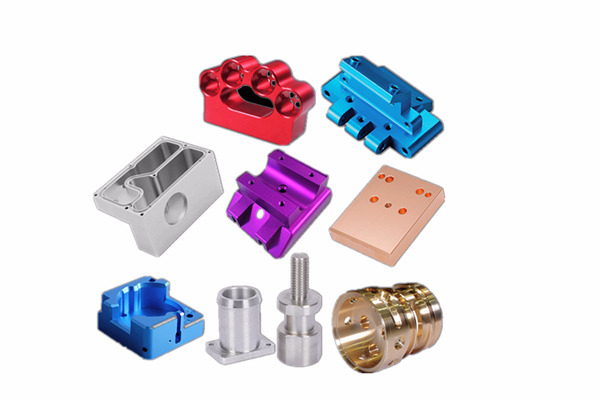
Importance of Prototyping
Prototyping with aluminum provides a tangible representation of a design, enabling detailed evaluation and testing. It allows stakeholders to identify potential design flaws, improve ergonomics, and validate performance before committing to mass production. This process saves time, reduces costs, and ensures that the final product meets quality and functional expectations.
Manufacturing Techniques
Aluminum prototypes can be manufactured using several techniques depending on the complexity and purpose of the model. CNC machining is widely used for high-precision prototypes, offering accurate dimensions and smooth finishes. Other methods include additive manufacturing with aluminum powders, casting, and sheet metal forming. Each technique allows designers to select the most suitable process based on design requirements and production speed.
Material Advantages
Aluminum is a preferred material for prototype manufacturing due to its combination of strength, lightweight characteristics, and corrosion resistance. It is easy to machine and form into complex shapes, allowing manufacturers to create prototypes that closely resemble the final production part. Aluminum also supports surface treatments and finishing processes, enhancing the visual appeal and durability of the prototype.
Applications Across Industries
Aluminum prototype manufacturing serves multiple industries. In automotive and aerospace, prototypes are used to test components like brackets, housings, and structural parts. Electronics industries benefit from aluminum prototypes for enclosures and heat-dissipating parts. Consumer product companies utilize aluminum models to assess ergonomics, aesthetics, and mechanical performance. Prototyping helps ensure functionality and design integrity before large-scale production.
Role in Design Validation
Prototypes made from aluminum enable detailed testing for mechanical strength, thermal performance, and assembly compatibility. They provide designers with the opportunity to make modifications and optimize designs based on real-world evaluation. This iterative process improves product reliability and reduces the likelihood of costly errors during mass production.
Technological Advancements
Modern aluminum prototype manufacturing leverages advanced technologies such as CNC machining centers, 3D scanning, and CAD/CAM integration. These tools enhance precision, speed up production, and allow complex geometries to be manufactured efficiently. Technological advancements ensure that prototypes closely replicate final production parts in both appearance and functionality.
Advanced Technologies in Aluminum Prototyping
Sanwo Metal leverages modern manufacturing tools to achieve superior results:
- Multi-axis CNC machining centers for complex geometries
- 3D scanning for reverse engineering and inspection
- CAD/CAM integration for seamless digital-to-physical workflow
These technologies ensure that your aluminum prototype replicates the appearance, function, and precision of the final production part.
Conclusion: Refine Your Product with Aluminum Prototyping
Aluminum prototype manufacturing is an indispensable step in product development. It delivers actionable insights into design, functionality, and performance. With precise machining, advanced techniques, and aluminum’s inherent advantages, Sanwo Metal helps engineers and designers perfect their concepts before full-scale production—ensuring higher quality final products, reduced costs, and shorter time-to-market.


